
What Is the Fleischer Superman Animation Series?
A prime example from Dave Fleischer's celebrated short film series... The Fleischer Superman animation series, released by Paramount Pictures and centered on the adventures of the comic book character Superman, has long secured its place in animation history as a legendary production. The episode below is titled Mummy Strikes.
In addition to this episode, all of the series' films can be found in the playlist.
The Superman short film series was produced between 1941 and 1943, totaling 17 episodes. Today, all of these episodes have entered the public domain due to the expiration of their copyright, and they can be freely watched on online platforms.
Fleischer Studios and Paramount Pictures
Dave Fleischer is one of the true pioneers of the animation world. Fleischer Studios, which he co-founded with his brother Max Fleischer, went down in history as one of Hollywood's most creative and daring animation studios of the 1940s.
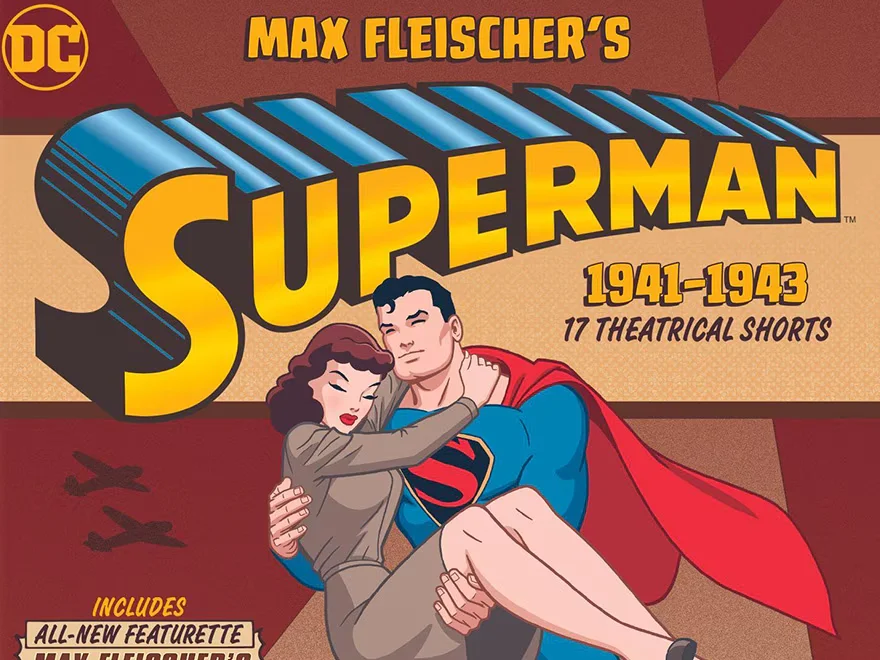
The studio, which had already brought iconic characters like Betty Boop and Popeye to life, opened an entirely new chapter with the Fleischer Superman animation series. No animation producer before had ever managed to bring a comic book superhero to the screen with such realism, fluidity, and cinematic language.
The first 9 episodes of the series were produced by Fleischer Studios. The remaining 8 episodes were completed under the name Famous Studios after the studio was acquired by Paramount Pictures. Each episode runs approximately 8 to 10 minutes and was presented to audiences in movie theaters before the main feature.
Rotoscoping in Fleischer Superman Animation: The Secret of Realism
The fundamental reason the series is so technically impressive is the rotoscoping technique used by Fleischer Studios. In this method, the movements of real actors were first recorded on film, and then animators drew over these images to achieve extremely natural and fluid character movements.
Superman's flight scenes, punches, and acrobatic movements reached a level of realism that was nearly unbelievable for the era, thanks to this technique. Even by today's standards, it is immediately apparent how carefully these Fleischer Superman animation frames were crafted. For more information on the rotoscoping technique, you can refer to Britannica's relevant article.
The Mummy Strikes Episode
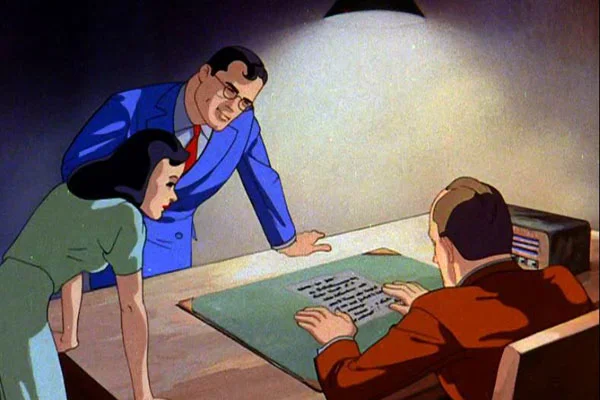
The Mummy Strikes episode carries an atmosphere that fits perfectly with the series' overall tone. The episode skillfully brings together both adventure and mystery elements by exploring an ancient Egyptian theme set within a museum environment.
The reporting activities of Clark Kent and Lois Lane for the Daily Planet newspaper suddenly place you in the shadow of mummies and curses. This kind of thematic variety played a major role in keeping the series' audience broad. Each episode offered a different threat, a different villain, and a different setting.
A Recurring Narrative Formula, or Mastery?
Looking at the series' overall structure, most episodes share a similar dramatic framework: Lois Lane gets into danger while chasing a story, Clark Kent disappears, Superman arrives on the scene, and he saves the day.
This simple but highly effective narrative formula directly reflects the comic book tradition that defined the era. However, the Fleischer Superman animation productions enriched this formula with a different visual language and a unique atmosphere each time, rather than reducing it to mere repetition. Some episodes brought science fiction elements to the fore, while others, much like Mummy Strikes, were dominated by a more mystical and mysterious mood.
Art Deco Aesthetics and Visual Design
In terms of visual design as well, this series reflects a sensibility far ahead of its time. The background designs, drawing strong inspiration from Art Deco aesthetics, combined with grand city silhouettes and dramatic plays of light and shadow, present every frame almost like a painting.
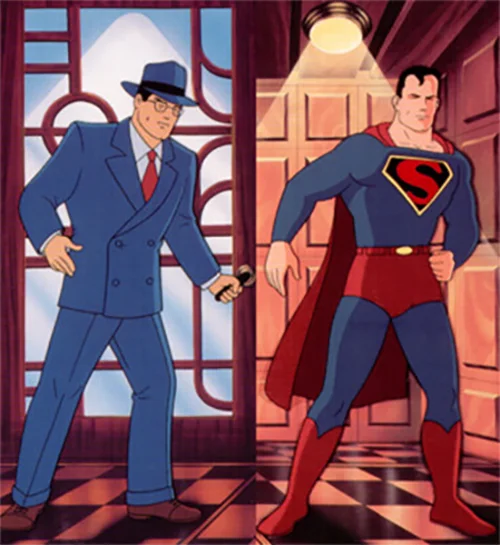
The vibrancy of color in Superman's costume is remarkably striking, despite the limited technical capabilities of the era. The animators consciously used the color palette to reinforce feelings of power, courage, and optimism in the viewer. This aesthetic sensibility elevated the Fleischer Superman animation series far beyond an ordinary cartoon.
Musical Design
The series' musical design also deserves special praise. The scores composed by talented composers such as Sammy Timberg and Winston Sharples created a cohesive sonic world that intensified the action, built tension, and reflected the emotional states of the characters.
The soaring orchestral themes accompanying Superman's flight scenes convey the character's grandeur just as powerfully as the visuals. Even today, many animation and film enthusiasts appreciate the memorability and functionality of these musical compositions.
Historical Significance and Legacy
When evaluated in its historical context, this series is considered the first serious cinematic adaptation of the superhero myth in American culture. You can also browse our other articles on cinema history.
The Superman character, who first came to life in Action Comics in 1938, was transformed into a mass media phenomenon within just three years through both a radio drama and the Fleischer Superman animation series. This speed reveals the cultural dynamics of the era and the deep longing for a heroic figure in pre-war America.
Today, these short films are studied in academic circles not merely as nostalgic documents, but as works of great importance to the historical development of the art of animation. Many celebrated animators and directors have openly stated that they grew up with Fleischer's Superman series and that its influence is immeasurable. All episodes of the series, including Mummy Strikes, continue to be counted among the masterpieces that best represent this legacy.