

Pentagon UFO files were finally shared with the public, and the internet behaved exactly like the internet... Within minutes, theory upon theory, meme upon meme, "EXPLAIN THIS" upon "EXPLAIN THIS." Files that had been locked away for decades were suddenly being picked apart on Reddit, X, and Discord servers. Some people were sharing without actually reading, while others were scanning every line searching for meaning. And the difference between those two groups tells you exactly why these documents generated so much interest.
What Happened, What Was Released?
The US government gradually shifted its position on the UFO issue over the years. Instead of "UFO," the official terminology now uses UAP (Unidentified Aerial Phenomena). Even this terminology change is itself a policy signal.
Following congressional pressure, the long-running work of independent researchers, and public interest reaching its peak, the Pentagon began gradually releasing various classified reports and document sets. This process gained momentum in 2017 when the New York Times exposed the AATIP (Advanced Aerospace Threat Identification Program). What followed included congressional UAP Task Force reports, the establishment of AARO (All-domain Anomaly Resolution Office), and ultimately the limited public release of historical archives.
As we reach 2026, this process is still ongoing. Each new wave of documents creates a fresh earthquake across the internet.
What Did the Internet Do With These Documents?
When the first pages of the documents were released, social media operated as though it had been designed precisely for moments like this. The Reddit community r/UFOs had hundreds of analysis threads within hours. Every paragraph was examined word by word, and every redacted black bar became the subject of speculation.
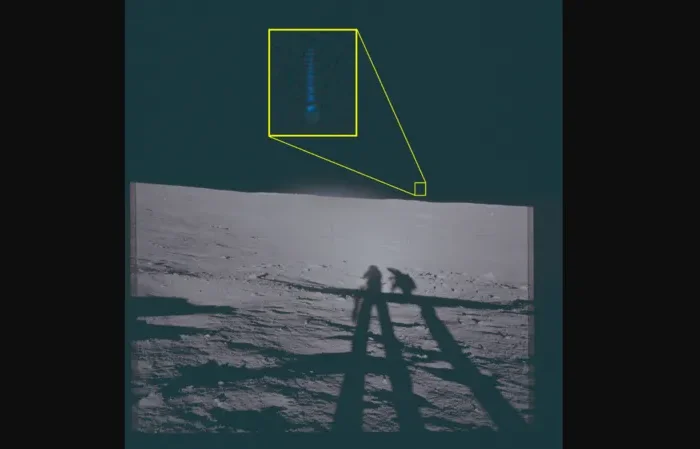
But the interesting thing was that more than the UFO files themselves, the way people read the documents became a social phenomenon in its own right. Someone published a three-hour video analyzing the pdf line by line, and thousands of people watched it live. Someone else entered the coordinates from the documents into Google Maps and took screenshots. This collective detective process, spanning just a few hours, compressed into that same timeframe the kind of analysis traditional media might have taken months to produce.
But at the same time, the speed of disinformation was equally remarkable. Fake pages were mixed in alongside the real documents. Context was stripped away. Tweets headlined "Pentagon admitted this" were shared thousands of times, even though no such statement appeared anywhere in the documents.
What Is Actually in the Documents?
To be honest, some things are both disappointing and genuinely spine-tingling. Some examples of disappointing ones are that many documents are reduced to known flight tests, meteor events, or a note reading "unidentified, under investigation."
The spine-tingling ones are some incidents involving manoeuvres recorded by US military pilots on heat-sensitive cameras that cannot be explained by any known aircraft technology. Accelerations, sudden changes in direction, and dives below the ocean surface. These are documented, signed, official reports. So this part is real.

Even so, there is still a massive gap between "this is real" and "aliens." And the biggest problem with the internet is precisely that it ignores this gap.
You can read the publicly available reports on AARO's official website. These documents, which most people never read yet rapidly share under the banner of "Pentagon admitted this," are actually far more bureaucratic than you might expect.
Government, Transparency, and Internet Culture
There is a real tension here, and it should not be ignored. For decades, the US government concealed UFO files, dismissed the subject, and marginalized researchers who took an interest in it. This created an erosion of trust that laid the groundwork for conspiracy theories.
Now that the documents are being released, we do not know which sections are still blacked out. Transparency is good, but selective transparency only feeds distrust further. The internet senses this instinctively, and it is right to ask why some sections are still redacted.
On the other hand, this cultural climate can also undermine genuine investigative journalism. Instead of trying to understand what a phenomenon actually is, people search for evidence to support a conclusion they have already reached. This applies to both sceptics and believers alike.
Browse this category for more articles on internet culture and viral phenomena.
What Does This Tell Us?
The matter of the Pentagon UFO files perfectly reflects the fundamental tension of the information age. We have more documents, data, and sources available than ever before. But our capacity and motivation to process them remain fragile.
The internet brought together thousands of people who genuinely cared about these documents and read them line by line. That is a remarkable thing. At the same time, millions of posts saying "aliens confirmed" without anyone having read the documents at all circulated through the same network. Both of these things are true simultaneously.
Perhaps the real concern is not government secrets themselves, but what our attention spans are becoming. As a generation that consumes a 15-second summary of a 200-page technical report rather than reading the report itself, how much do we truly want the truth?
I want to know what kind of things are falling from the sky. But first, we need to read the documents we already have. I mean, actually reading the whole thing.


