
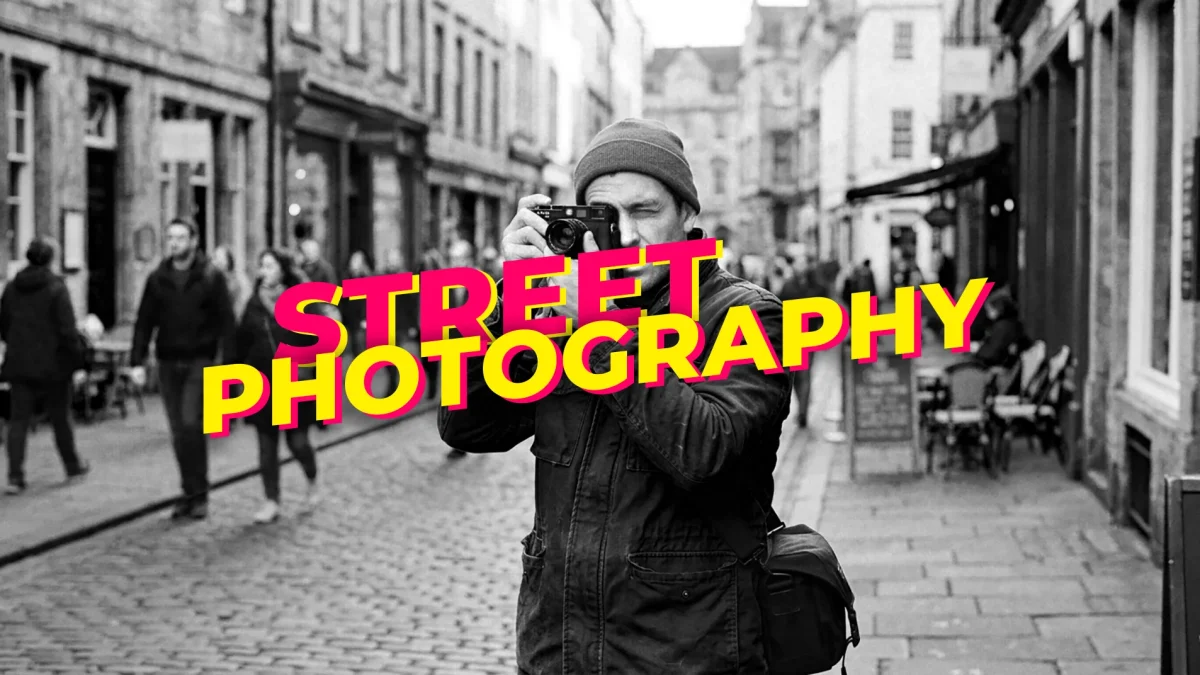

One morning while walking in Karaköy, I saw a man. His back was turned to me, he held a glass of tea in his hand, and he was gazing at the mist over the strait. I took out my camera, composed the frame, and pressed the shutter. Not even a second had passed. That man had no idea I was there. That photograph still sits with me, and every time I look at it I ask myself the same question: is street photography an art form, or is it stealing someone's quiet moment without their knowledge?
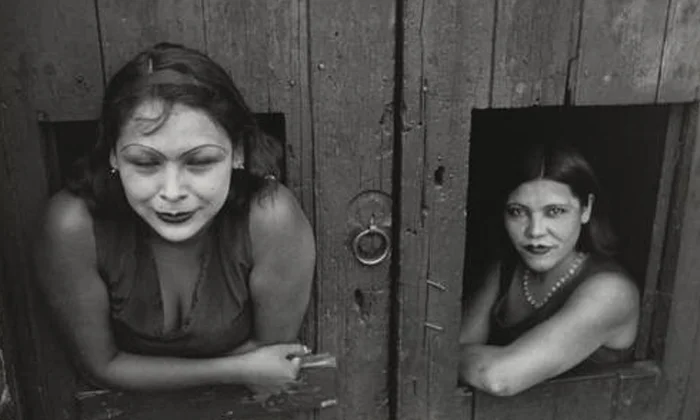
What Is Street Photography, Exactly?
In simple terms: capturing spontaneous, unscripted images in public spaces, most often without the subject's knowledge. But that definition barely scratches the surface.
Street photography is a way of seeing. It means focusing not on what the world is saying, but on how it looks. On shadows, on accidentally formed frames, on the unknowingly poetic relationships people build with each other and with the city.
The Moment the Shutter Fires: A Physical Sensation
This is hard to describe, but let me try. When everything falls into place in the frame, when the light comes from exactly where you want it and your subject moves into exactly the right position, something happens in your body even before your finger presses the shutter. Your heart beats a little faster. You hold your breath.
This feeling is tied to that famous concept known as the decisive moment. You sense that the photograph is already complete before it has been taken. It is the visual equivalent of that instant when a musician hears a chord in their head and waits for their hands to find the keys.
And after the shutter fires? Either that feeling was right and you hold your breath when you look at the screen. Or you were completely wrong and you move on. Both teach you something.
The Question of Consent: Ethics or Freedom?
In 2026, this debate never ended. If anything, it deepened. Privacy laws tightened across Europe, and the "right to photograph in public spaces" was reopened for discussion in many countries.
The core of the matter is this: does being in a public space mean you have consented to being photographed? The legal answer is usually "yes." The ethical answer is far more complicated.
Here is what I think: a good street photographer is one who approaches their subject with sensitivity. It is easy to make frames that demean people, that reduce them to objects. But making frames that truly see people, that capture their humanity, is something else entirely. That difference is what separates art from ordinary curiosity.
What Did the Masters Do?
Henri Cartier-Bresson traveled the entire world with a Leica and made that small camera nearly invisible. On the streets of Paris, in India, in Mexico, every frame he shot was composed like a poem, yet none of it was staged. That paradox was his genius.
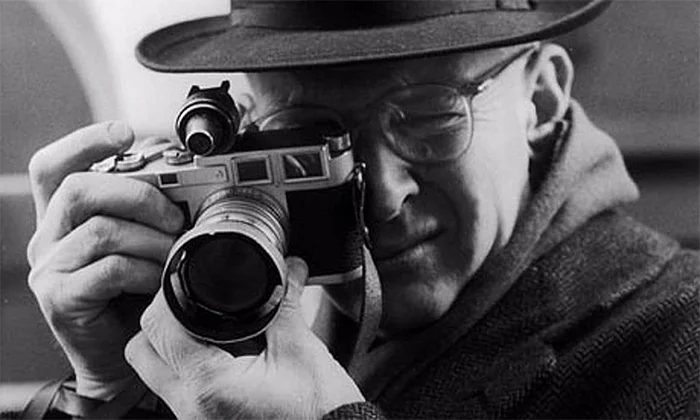
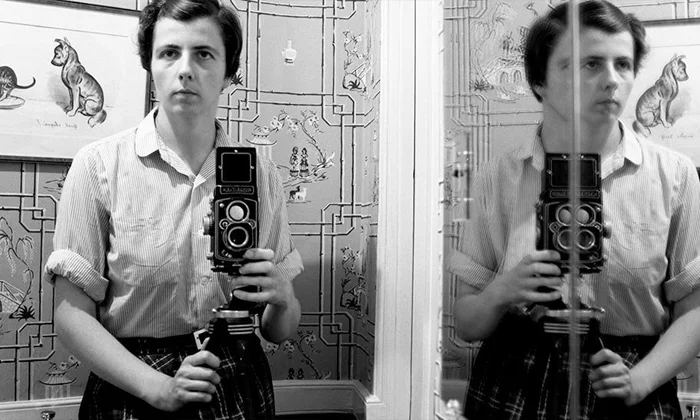
Vivian Maier's story is a novel in itself. She left behind tens of thousands of street photographs she never showed anyone throughout her entire life. Discovered after her death, these images brought a quietly working genius into the light. Maier taught us this: street photography is sometimes made not for an audience, but simply for the act of seeing.
Daido Moriyama's Tokyo frames carry a completely different feeling: grainy, high-contrast, almost aggressive. He had no interest in making the city look beautiful. He wanted to see the wildness, the energy, the anxiety living inside the city. And he saw it. I recommend taking a look at MoMA's Moriyama archive. Your way of seeing changes.
Street Photography in the Digital Age: Holding a Camera in 2026
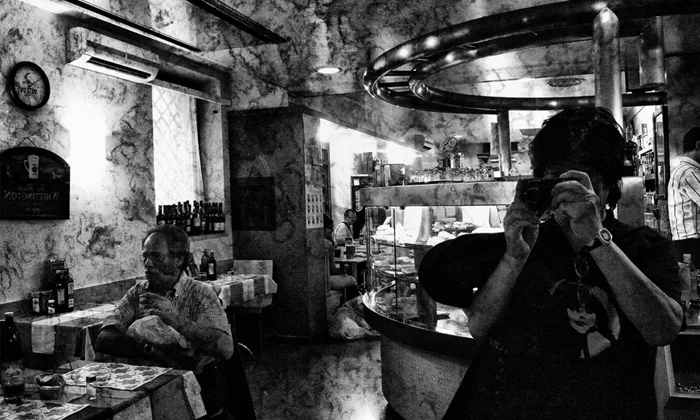
Now everyone has a camera in their hand. Is this democratization, or is it the beginning of the end for street photography?
Both. Among the selfies shot on every corner, the Stories being uploaded, the constant bombardment of instant content, a genuine street frame now feels harder to find. But at the same time, it feels more valuable. When everyone is shooting, everyone knows they are being shot. Does this awareness erode authenticity?
It does. But it also creates a new kind of tension. The defense mechanisms people develop against cameras become a subject in their own right. Sometimes the best frame is the moment someone is trying to escape the camera.
The quality of phone cameras has reached remarkable heights. Compact cameras with full frame sensors have come back into fashion. But the best street photographers still know this: the most powerful tool for invisibility is not equipment, it is attitude. Owning a camera is not enough. You have to learn to disappear into that pavement.
Urban Aesthetics and Street Photography
Street photography is also a manifesto about urban aesthetics. Every good frame is an effort to document the unique texture of a city.
When you think about Istanbul specifically, this takes on even greater meaning. The slivers of light filtering through the dark streets of Fatih, the crowded silence aboard the Bosphorus ferries, the elderly women standing before the painted doors of Balat. These are not tourist photographs. They are documents of how a city lives itself.
Street photography reaches its most powerful form when architecture and human beings coexist in the same frame. When the shadow of a column falls on the wrong person at the wrong time, or when someone walks behind a crumbling wall, the city and the person become two words in the same sentence.
If you want to read more about urban aesthetics and photography, you can browse the Culture & Art articles.
For Those Who Want to Start
- Do not get caught up in equipment: The smallest camera you have on you is better than the most expensive one sitting at home. A phone camera is perfectly sufficient to begin with.
- Claim a neighborhood: Walk the same street every day. Get to know that street. Learn how the light changes. The best frames come on the day that street surprises you.
- Be fast, but stay patient: Shutter reflexes matter. But sometimes you need to wait at the same spot for ten minutes for a good frame. These two things do not contradict each other. They complement each other.
- Define your ethical line: Set your own rules. Decide who you will photograph and who you will not. These decisions become clearer over time, but you need to think about them from the start.
- Archive, but be selective: You can shoot a hundred frames in a day and keep two. That is not failure, it is the process. Cartier-Bresson worked the same way.
A Final Word: Step onto the Pavement
No matter how much you write about street photography, the real point is to go outside. To stand on the pavement. To hear the sound of the city and open your eyes.
I mentioned that morning in Karaköy. That man is still there, in my photograph. Looking at the mist. Drinking his tea. Completely unaware of me.
But that moment now exists. And this, despite all the ethical questions surrounding street photography, is what it does: it holds what passes. It makes it permanent. And sometimes, just sometimes, it turns a stretch of pavement into poetry.


