
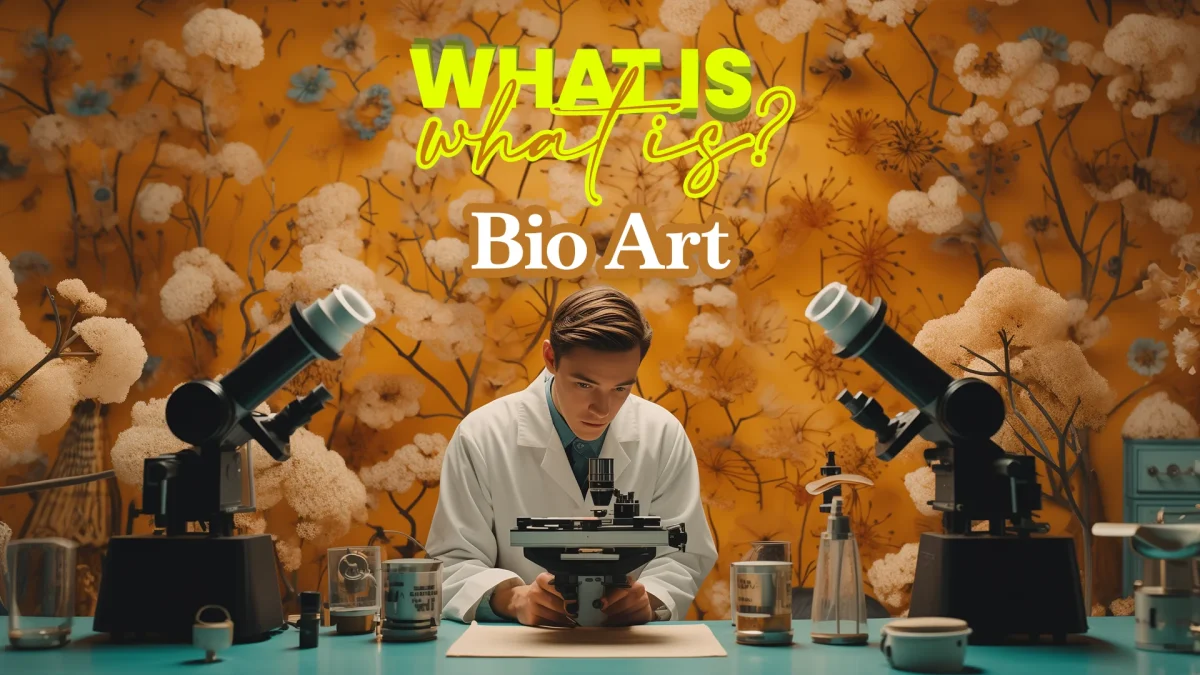

What Is Bio Art?
We have more or less gotten used to seeing new names slapped onto existing concepts just to seem innovative, yes. But bio art, while it has debatable boundaries like every art form, is a genuine artistic movement that emerged in the late 20th century. We can call any work bio art when science and art come together, when one or more living organisms are used, and when the development process of those organisms is considered part of the artwork itself.
There are of course many ethical debates in this field. There will always be those who put the quality of life, or even the lives, of living beings at risk and call it art. I prefer not to dive into those topics in this post. Instead, let us look at how living artworks made with microorganisms come to life, and even how we might bring them into our living spaces in ways that create mutual benefit. If you are curious about the intersection of science and culture, be sure to check out our other posts as well.
Art with Bacteria and Agar Art

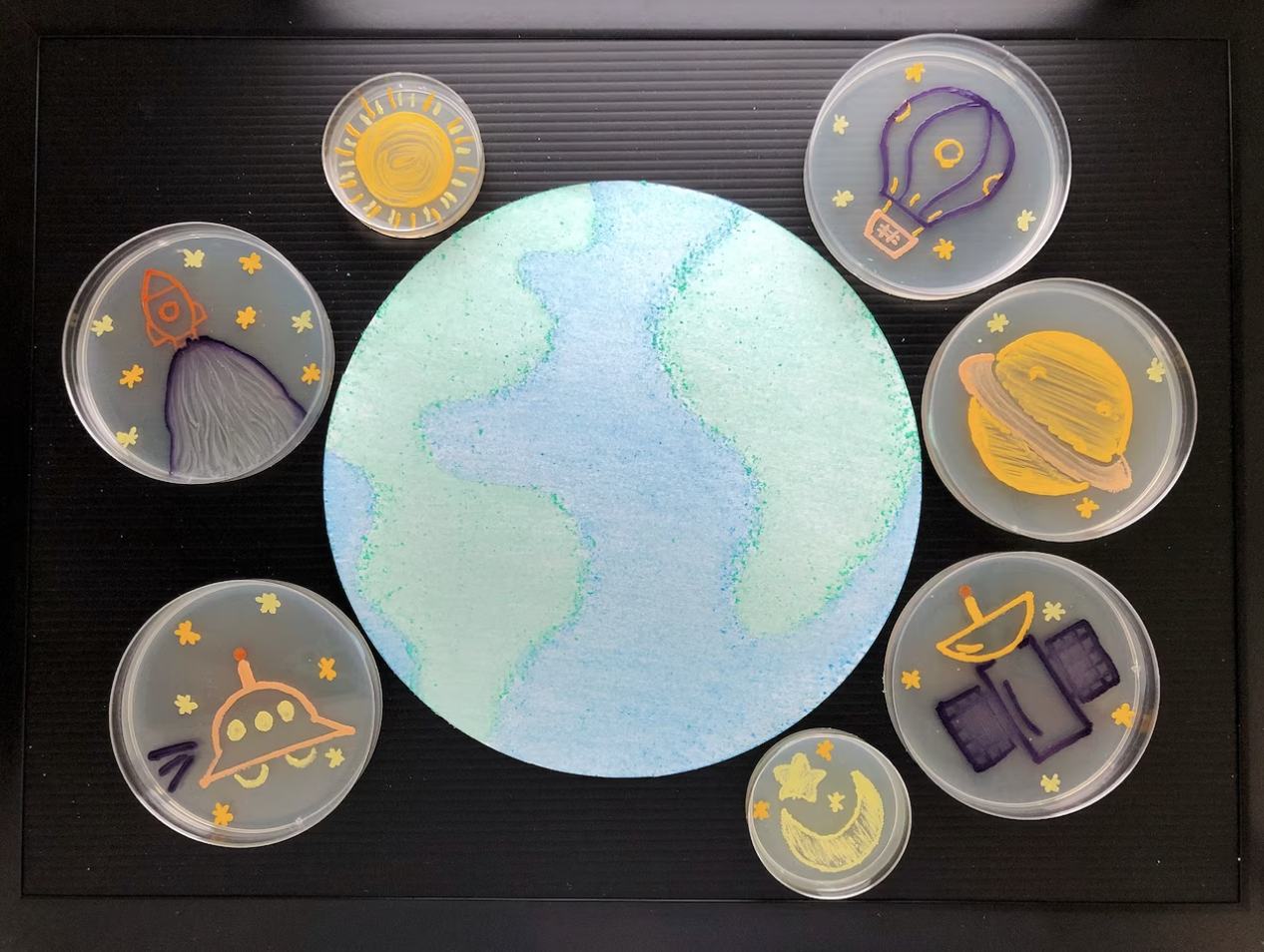
Art with bacteria, or agar art, is one of the most popular branches of bio art. The American Society for Microbiology (ASM) even holds an annual competition in this field. The petri dish becomes the canvas, microorganisms become the paint, and the results are sometimes of breathtaking beauty.
What Is Agar?
Agar is a natural gel substance obtained from certain species of seaweed. It is not itself a living organism, but it serves as an excellent medium for growing microorganisms and fungi. It can also be used in some food preparations, but that is a completely different topic of course.
When scientists use agar, they refer to this medium as a "growth medium" or "culture medium." Agar starts out as a liquid and solidifies as it cools. Once solidified, colored microorganisms are added to the surface and left to grow for a few days, which is to say, left for the art to take shape.
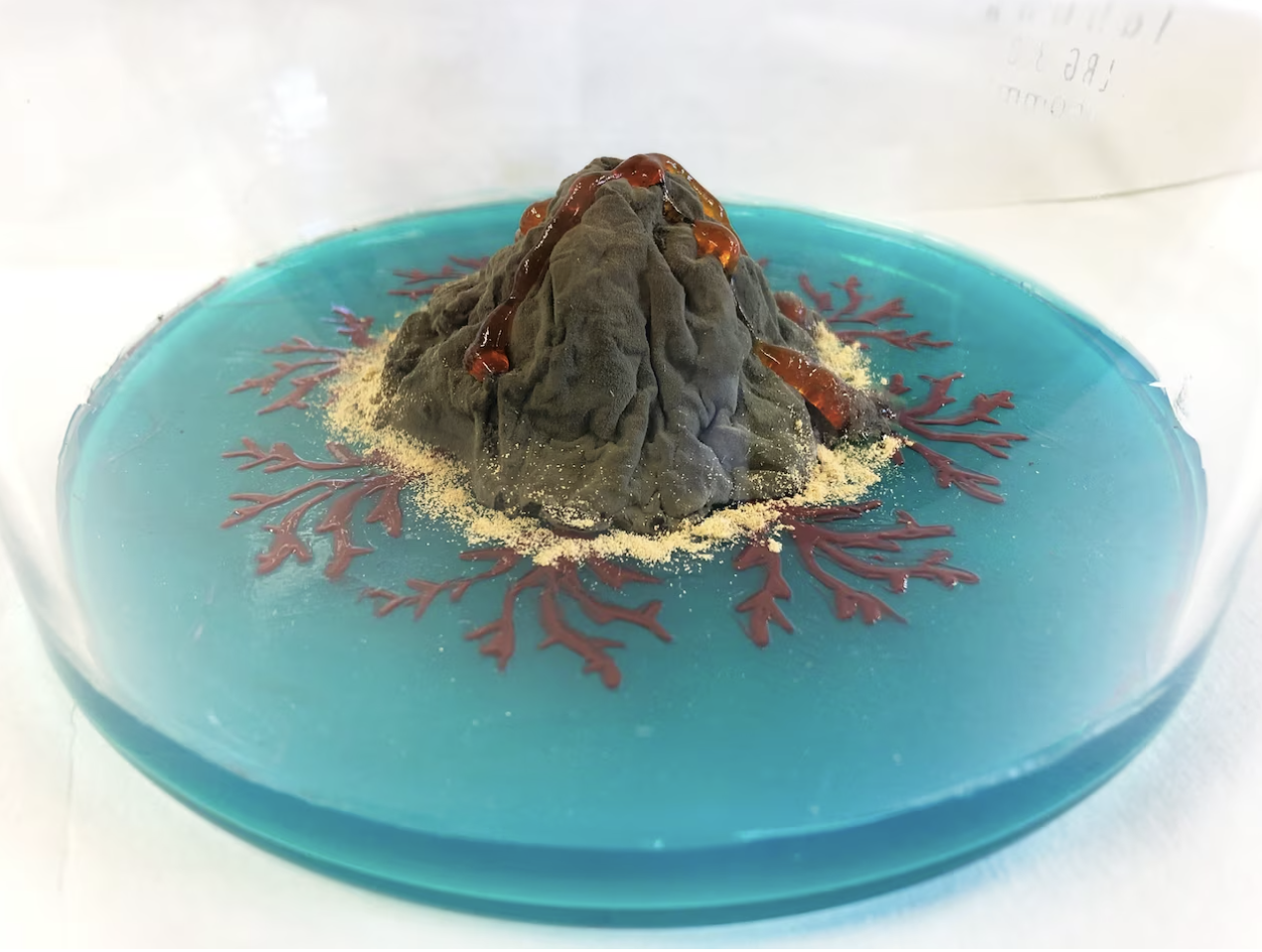
Get acquainted with agar art through some examples from the ASM 2019 competition:


Living Sculptures
Another striking branch of bio art is sculpture. Some of these sculptures involve fungi, but many are created through the growth of living organisms on surfaces hospitable to microbiological life. The results are truly impressive from both a biological and an aesthetic standpoint.
One well-known project in this field is the microbial, digitally supported bio sculpture by ecoLogicStudio. In one of their projects, they transform the concept of "Life" into a new digitally assisted form. If you are curious about different movements in the art world, do not miss this post either.
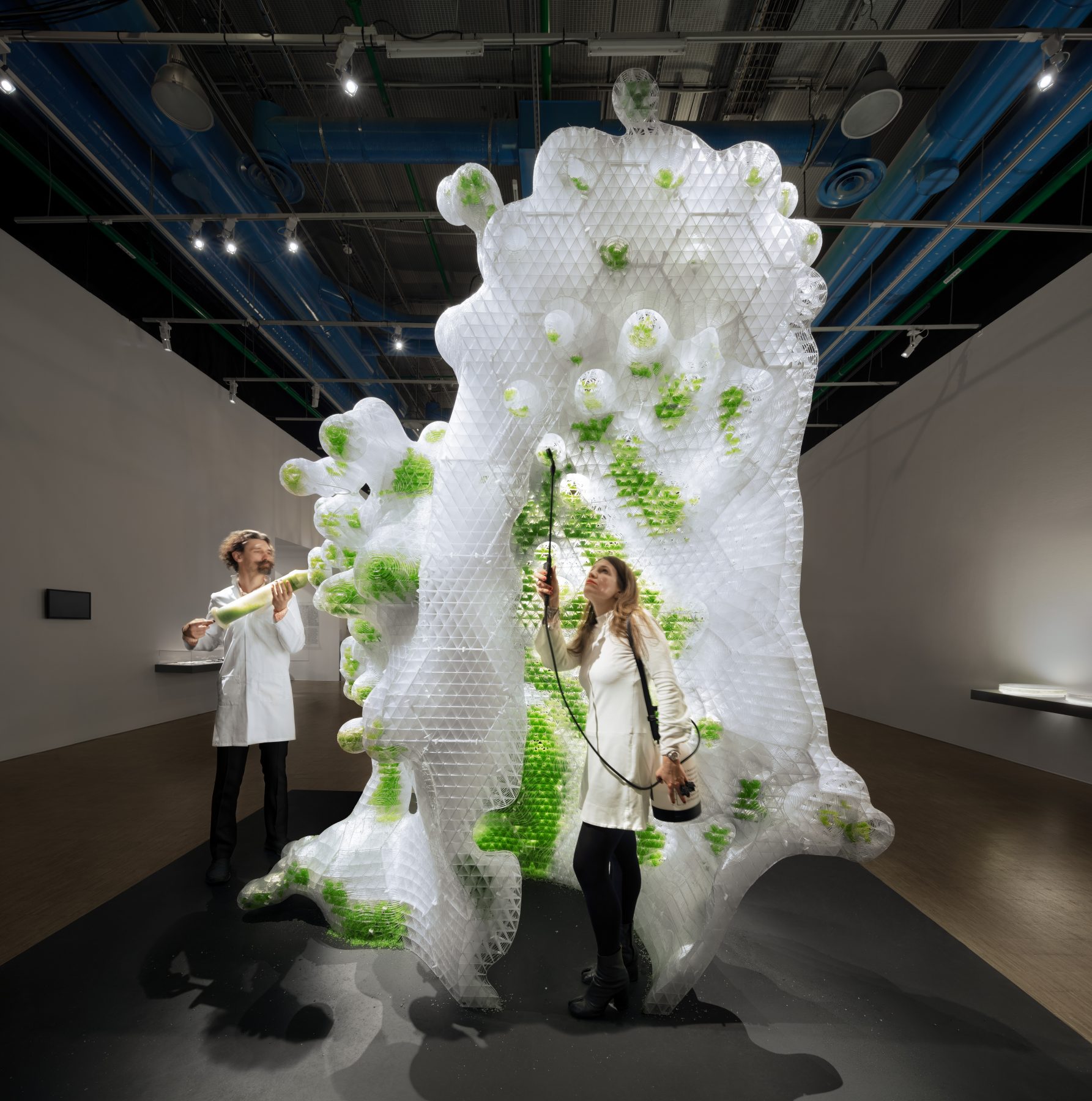
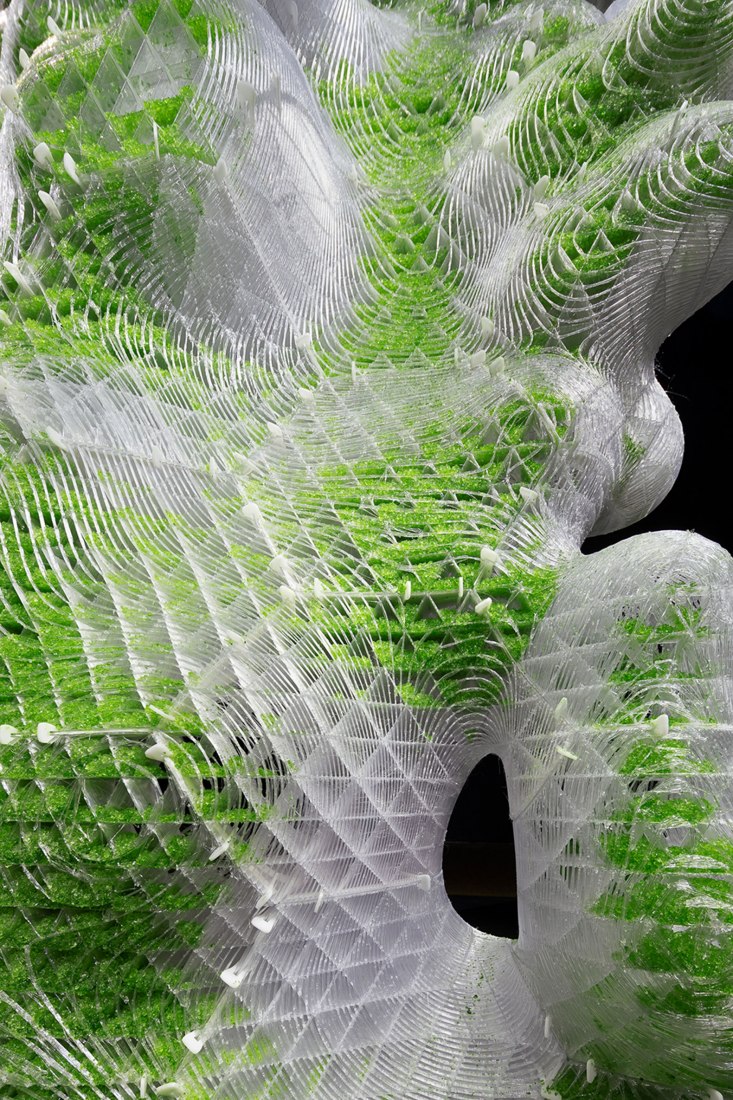
This project was developed in "collaboration" with living organisms. The unique biological intelligence of cyanobacteria, among the oldest organisms on Earth, has been brought together as part of a new bio-digital sculpture form in this project. It was not even easy to imagine that bio art and technology could become so deeply intertwined.
The photosynthetic cyanobacteria used in the sculpture are inoculated into individual triangular cells called bio-pixels, which form the biological intelligence units of the system, within a biogel environment. Their photosynthesis-driven metabolism converts solar energy into oxygen and biomass. In short, they grow. The sculpture, in the fullest sense of the word, breathes.
Branches of Bio Art
Of course, bio art is not limited to art made with bacteria or living sculptures. It represents the intersection of art with fields such as biology, genetic engineering, biotechnology, and life sciences as a whole. Any work produced with living organisms or biological materials can be considered under this umbrella.
When looking at the sub-branches of bio art, the following categories stand out:
- Agar art: Visual works created with bacteria and microorganisms in petri dishes.
- Living sculpture: Three-dimensional structures shaped by the growth of organisms such as fungi, algae, or cyanobacteria.
- Bio architecture: Functional and aesthetic structures where living materials are combined with architectural design.
- Genetic art: Works in which DNA and genetic engineering techniques are used for artistic purposes.
We follow with excitement the potential of this still-emerging branch of bio art to shape the future. In this field where artificial intelligence meets microbiology, simply thinking about how tools created from living organisms might make our lives easier is inspiring in its own right. If you are also curious about our posts on technology and the future, take a look.
When you explore works of bio architecture, you can understand far more clearly what awaits us in the future of this art form. I am certain that developments in this field will touch our lives in many different ways. What do you think?