
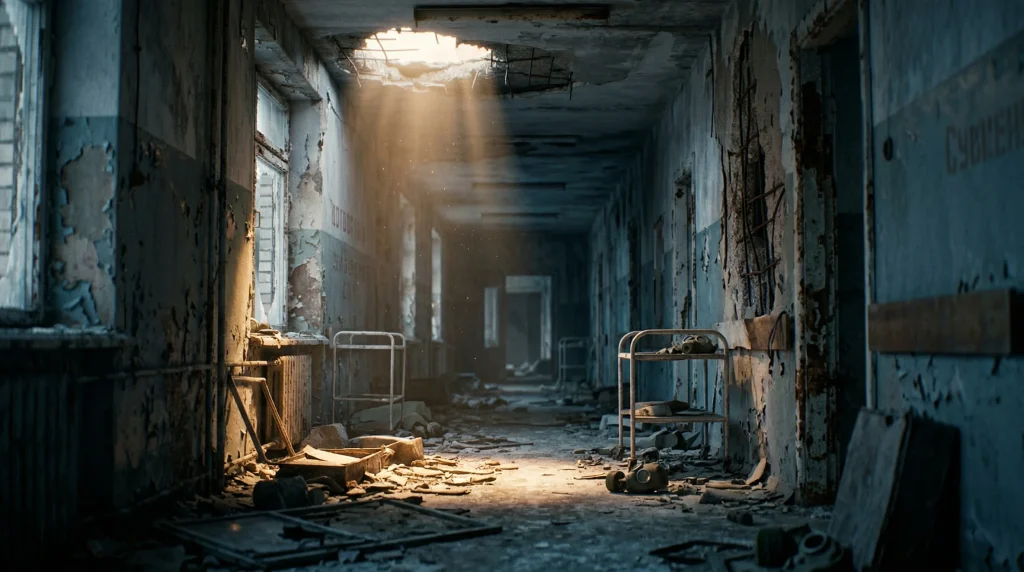
Walking through the corridor of an abandoned school in Chernobyl, faded children's drawings on the walls, broken toys on the floor, cold light filtering through the windows, the first thought that crossed my mind was: I shouldn't be here. And immediately after: But here I am. Dark tourism lives in exactly that space between those two feelings.
This isn't just some quirk of mine. Every year, millions of people buy tickets to battlefields, mass grave sites, nuclear disaster zones, or cities wiped out by natural disasters. And nobody can quite explain why they go.
What Is Dark Tourism?
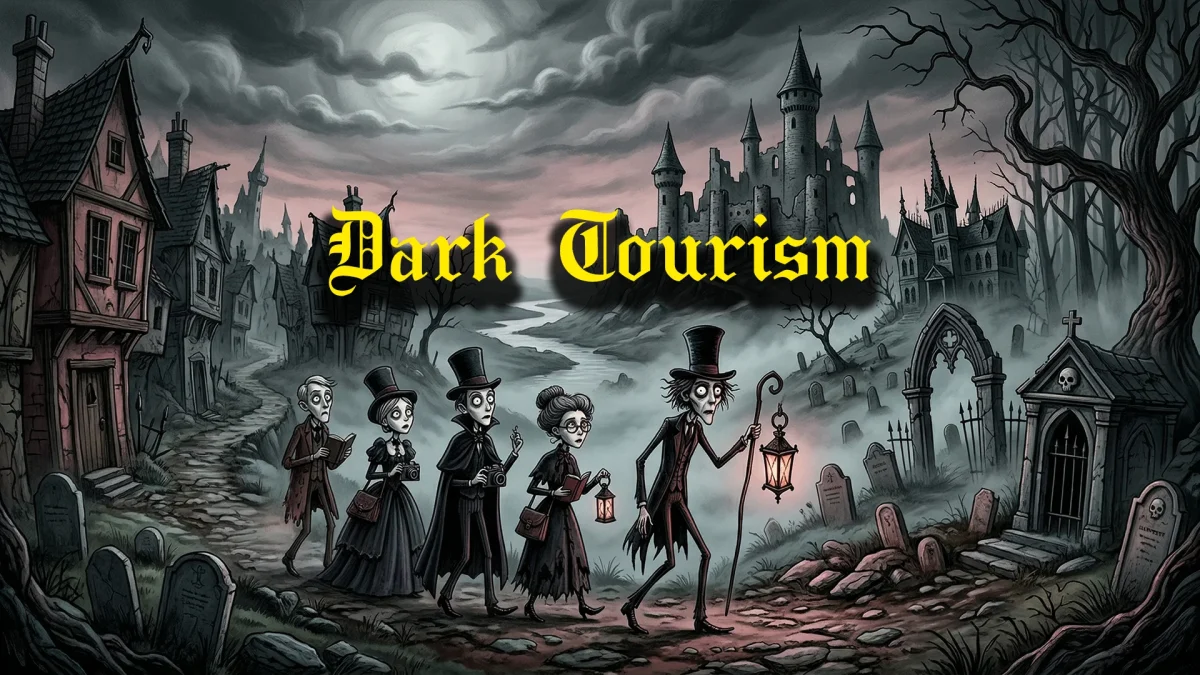
Dark tourism sometimes called thanatourism in English (from the Greek thanatos, meaning death), describes travel to places associated with death, suffering, tragedy, or disaster. It emerged as an academic concept in the 1990s, though humanity has probably been doing it since the first visitors picked through the ashes of Pompeii.
According to the Dark Tourism Foundation, this type of tourism has gained serious momentum over the past decade. It's not just the curious who go, researchers, students, journalists, and people who simply want to understand make the journey too.
But what exactly are we looking for there?
Why Do We Visit Places of Disaster?
I once put this question to a guide I met outside a Holocaust museum in Poland. He shrugged, then corrected himself: "Because forgetting is too easy. Without coming here, without seeing and smelling and feeling it, you forget, you just read about it in books."
Psychologists identify several different motivations. The first is the search for empathy, connecting with humanity by touching a pain that was truly lived. The second is mortality awareness, confronting our own transience, a kind of existential check-in. The third, and honestly the most truthful: pure, unfiltered curiosity.
None of us go with entirely innocent motivations. And that's okay.
The World's Best-Known Dark Tourism Destinations
Chernobyl Exclusion Zone, Ukraine
The city of Pripyat, abandoned after the 1986 nuclear disaster, is today one of the world's most popular dark tourism destinations. Curtains hanging from broken windows, collapsed bleachers in the gymnasium, a rust-eaten Ferris wheel in the amusement park, time stopped here on April 26, 1986.
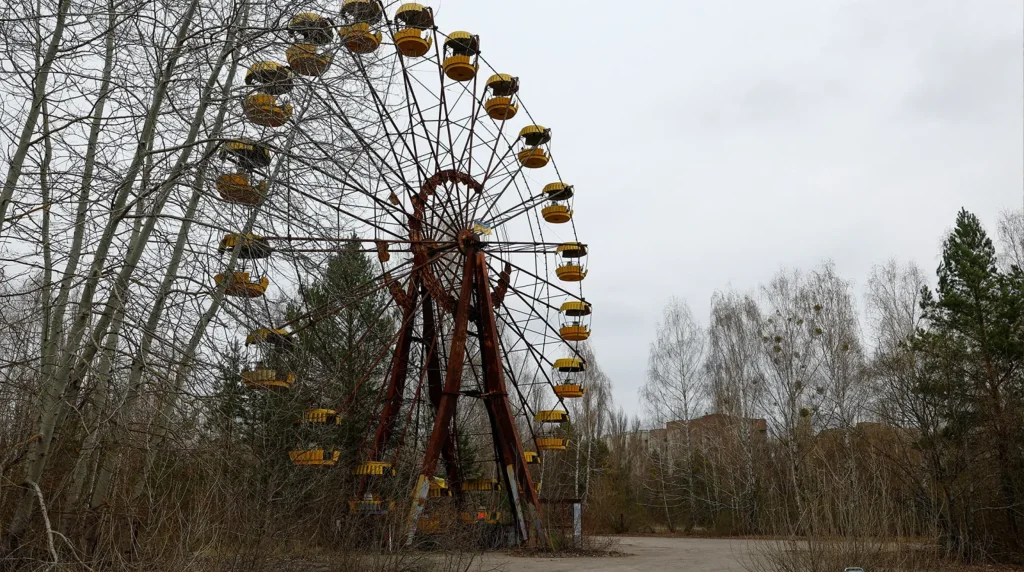
Visitor numbers surged dramatically after the acclaimed HBO series in 2019. However, the war in Ukraine has effectively closed off access to the area since 2022. When tours will resume remains uncertain, making the site both more inaccessible and more mythic than ever.
Pompeii, Italy
The city buried beneath ash by the eruption of Vesuvius in 79 AD is perhaps humanity's oldest dark tourism destination. The plaster casts of people still trying to run, clutching their children, these are not merely historical artifacts, but frozen final moments.
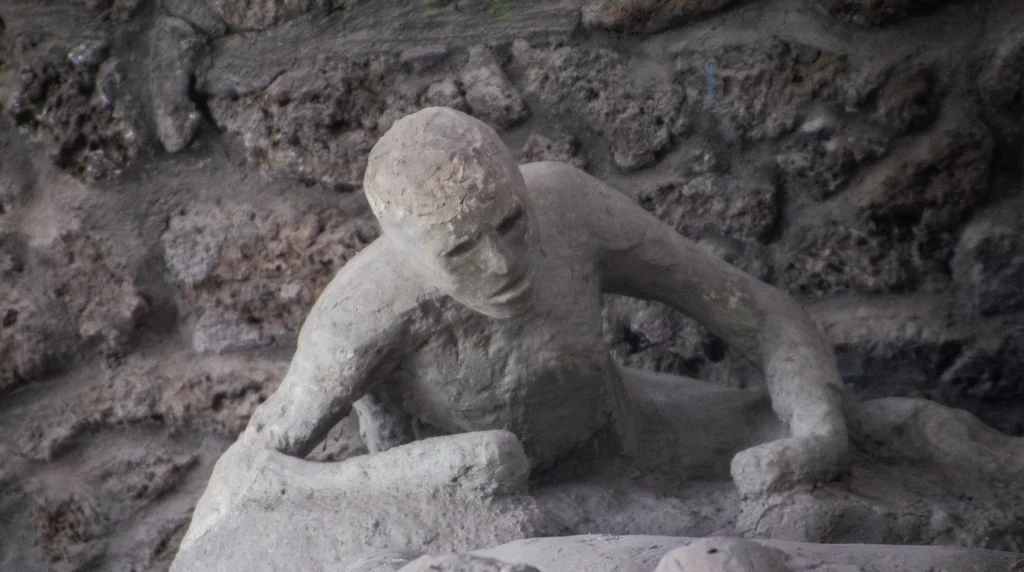
Around three to four million visitors come each year. Management is struggling to handle the volume; parts of the site now operate on designated routes with restricted entry.
Hiroshima Peace Memorial Museum, Japan
This was the place that affected me most deeply. The shadows left by the atomic bomb, the scorched silhouettes of human beings burned onto walls and steps, are not something that can be conveyed in words. The museum itself is not without controversy: some argue it fails to adequately address Japan's own role in the war. I think that tension actually makes the place more honest.

Auschwitz-Birkenau, Poland
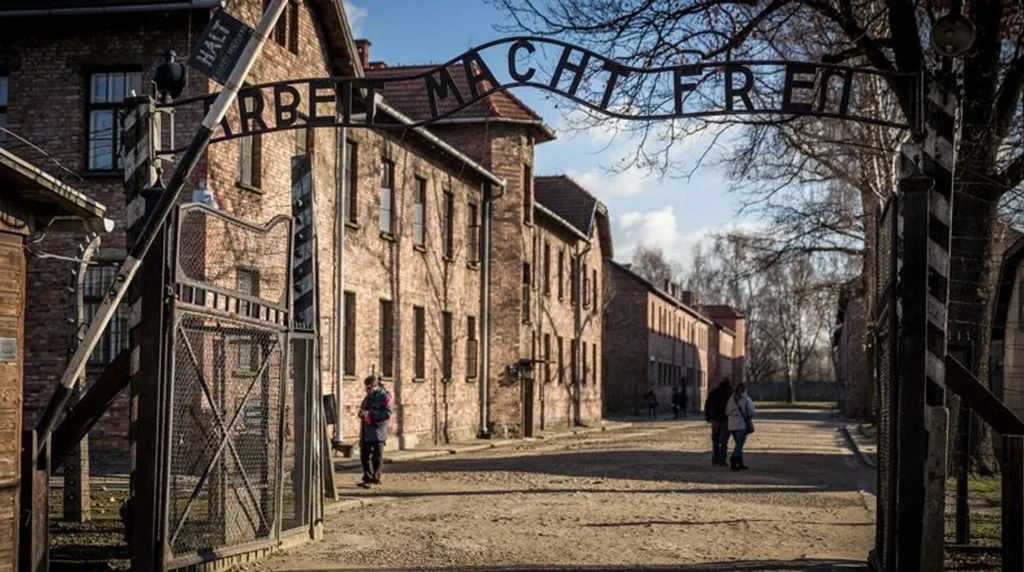
One of the most solemn memorial sites of the Second World War. Approximately 1.5 to 2 million people visit each year. And every visitor comes to realize the same thing: no photograph, no documentary captures this. You have to go.
What's the Ethical Problem Here?
This is where things get complicated. Dark tourism carries ethical questions far more complex than any innocent hobby.
- Consuming suffering: When does turning another's tragedy into an "experience product" become exploitation?
- Selfie culture: Photos of people posing in front of Auschwitz have sparked debate on social media. When does a souvenir photo cross the line into disrespect?
- The economic question: Does the tourism economy in disaster zones genuinely support survivors and local communities, or does it simply line the pockets of outside operators?
- The spectacle trap: Doesn't presenting suffering like a theme park risk normalizing it?
There are no easy answers to these questions. But stopping asking them is far more dangerous.
Academics at the University of Glasgow researching dark tourism define "ethical visitation" something like this: go prepared, behave respectfully, support the local economy, and most importantly, leave having learned something. Not a selfie. A connection.
Is There Dark Tourism in Turkey?
There is, and it runs far deeper than people tend to acknowledge. The Gallipoli Peninsula is one of the most powerful examples of dark tourism anywhere in the world. Every April, especially around April 25th "Anzac Day" Australian and New Zealand visitors travel thousands of kilometres to reach it. They go to the cove where their grandfathers died, to the tunnels, to the trenches.
I once watched an Australian woman kneel at the shore of Anzac Cove and smell the earth. She said nothing. She didn't need to.
Mardin and its surroundings offer another layer entirely, churches and monasteries bearing the historical suffering of Syriac Christians. Deyrulzafaran Monastery draws you in with its silence. The stories told by those centuries-old stones sit right on the border between cultural tourism and dark tourism.
A similar dynamic has begun to emerge in the region affected by the 2023 Kahramanmaraş earthquake. Local guides have started offering tours that show collapsed buildings alongside structures that survived. Controversial, yes. But undeniable for those who want to see the truth.
If you'd like to explore this topic from a broader perspective, you're welcome to browse the other articles in 2hbn.com's Discover category as well.
Is It Worth Going?
I've asked myself this question countless times. And my answer is always the same: yes, but carefully.
Standing in that corridor of the school in Chernobyl, I thought about the fact that someone had grown up there, had wondered on the way through that door in the morning whether they'd get ice cream, had had their mother zip up their bag for the last time. Did thinking all of that make me a better person? I don't know.
But it made me a more deliberate one. And sometimes that's enough.
Dark tourism means visiting the darkest pages of human history not as a spectator, but as a witness. The difference is subtle but critical. A spectator looks and moves on. A witness looks, feels, and carries it forward.
If you're thinking of going, go. But don't go unprepared. Read the history, hire a local guide, make a donation, show respect. And most importantly: come back with something, with the question that place leaves inside you.
The question Chernobyl left me with was this: If something like this happened tomorrow, what would I do differently today? I still don't know the answer.
But the question is there.